
Summary
Best when you can position existing experience and specialization in a few evidence-based lines.
Compare a professional resume summary with a resume objective, learn when each opening helps, and write a concise top-of-page statement that supports the target role.
Quick answer
A resume summary emphasizes relevant experience, strengths, and evidence you already have; an objective emphasizes the direction you want to move. Experienced candidates usually benefit more from a focused summary. Students, career changers, or people entering a new field may use a brief objective when it explains the transition and still names transferable value.
What matters most
Best when you can position existing experience and specialization in a few evidence-based lines.
Useful when the career direction needs explanation, but it should still show what you bring—not only what you want.
Skip an opening statement when it only repeats the job title and obvious skills that the next section shows more clearly.
Inside PortCV
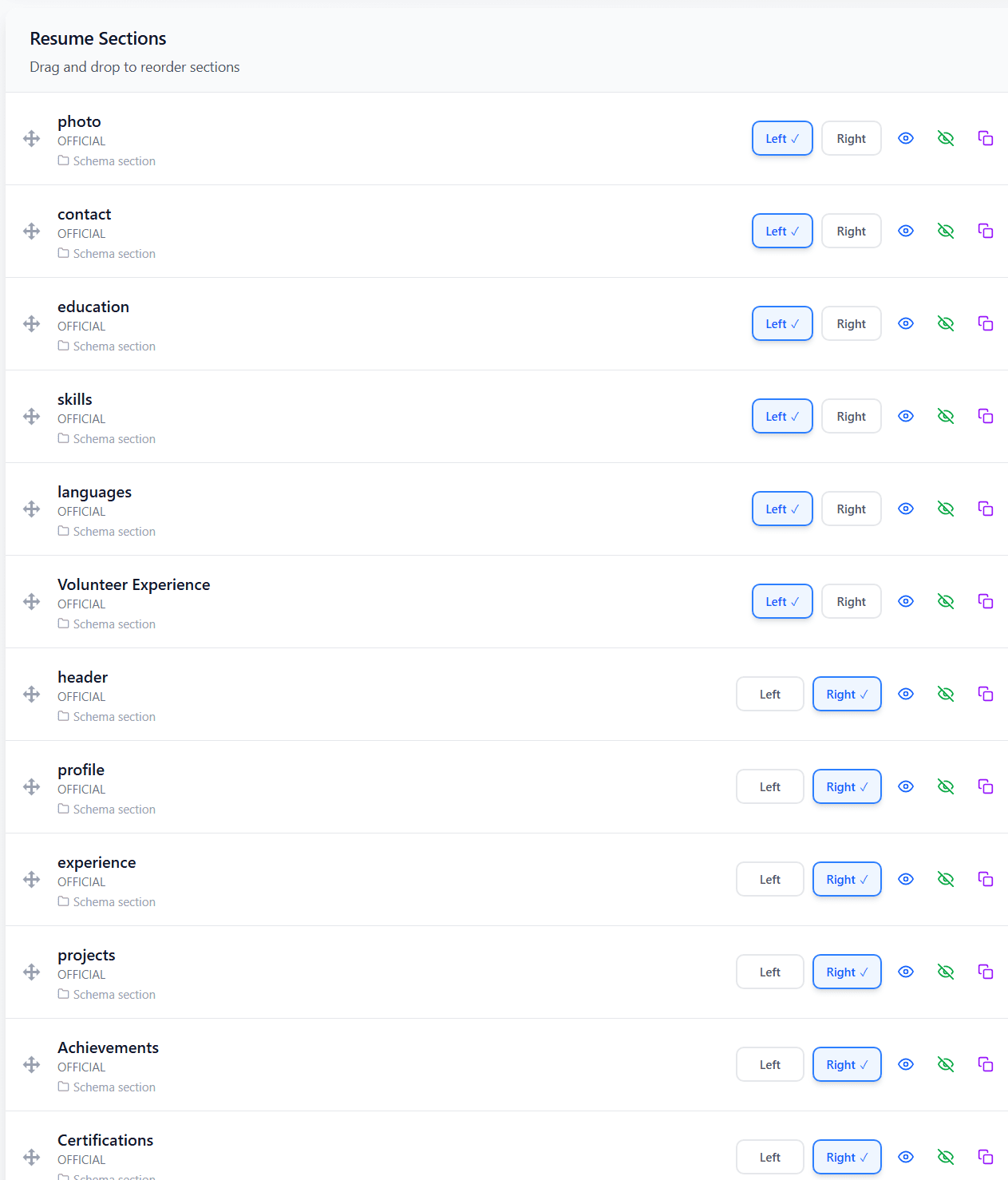
PortCV lets you add, edit, reorder, or hide profile-style sections based on the resume version. Copilot can strengthen selected wording using the target role while the experience underneath remains available for fact checking.
Open the resume engineGuide 01
A good summary names the professional role or specialization, relevant scope, important skills or domain knowledge, and one or two differentiators the resume can prove. It should help the recruiter interpret the rest of the document, not duplicate the first experience bullet.
Avoid adjective strings such as 'dynamic, results-driven, passionate professional' unless followed by concrete meaning.
Guide 02
A modern objective can work for a student, career changer, returner, or candidate pursuing a specific transition. Replace 'seeking a challenging position where I can grow' with a direct target and the transferable skill or evidence you bring.
The statement remains employer-facing: explain why your background is relevant to the new direction rather than focusing only on personal aspirations.
Guide 03
If your name, target title, skills, and recent experience make the direction obvious, an extra paragraph may only push stronger evidence downward. Use the space for a project, achievement, certification, or another section with more decision value.
Test the resume with and without the statement. The version that communicates fit faster should win.
Questions people ask
For many experienced candidates, yes because it emphasizes proven qualifications. Objectives can be useful when a transition or entry-level direction needs concise context.
Usually one focused opening is enough. Combining both often creates repetition and pushes experience lower on the page.
Keep it concise—often a few lines. There is no required word count; stop when the positioning is clear and every line adds evidence or context.
PortCV Resume Engine
Turn the guidance into a real resume in PortCV. Edit structured sections, refine wording with AI, check job alignment, switch layouts without rewriting your content, and export a polished PDF from one resume engine.