
Select
Choose a small number of courses that strengthen the target role instead of listing your full learning history.
Add relevant coursework, professional courses, bootcamps, and continuing education to a resume with clear providers, topics, dates, and practical outcomes.
Quick answer
Include courses when they fill a relevant knowledge gap, demonstrate recent upskilling, or support an early-career application. Name the course, provider or institution, date, and key topic. Use projects or skills sections to show what you can do with the learning rather than treating course completion as work experience.
What matters most
Choose a small number of courses that strengthen the target role instead of listing your full learning history.
Distinguish university coursework, bootcamps, short online courses, and formal certifications accurately.
When a course produced a strong project, use that project as evidence rather than relying only on the course title.
Inside PortCV
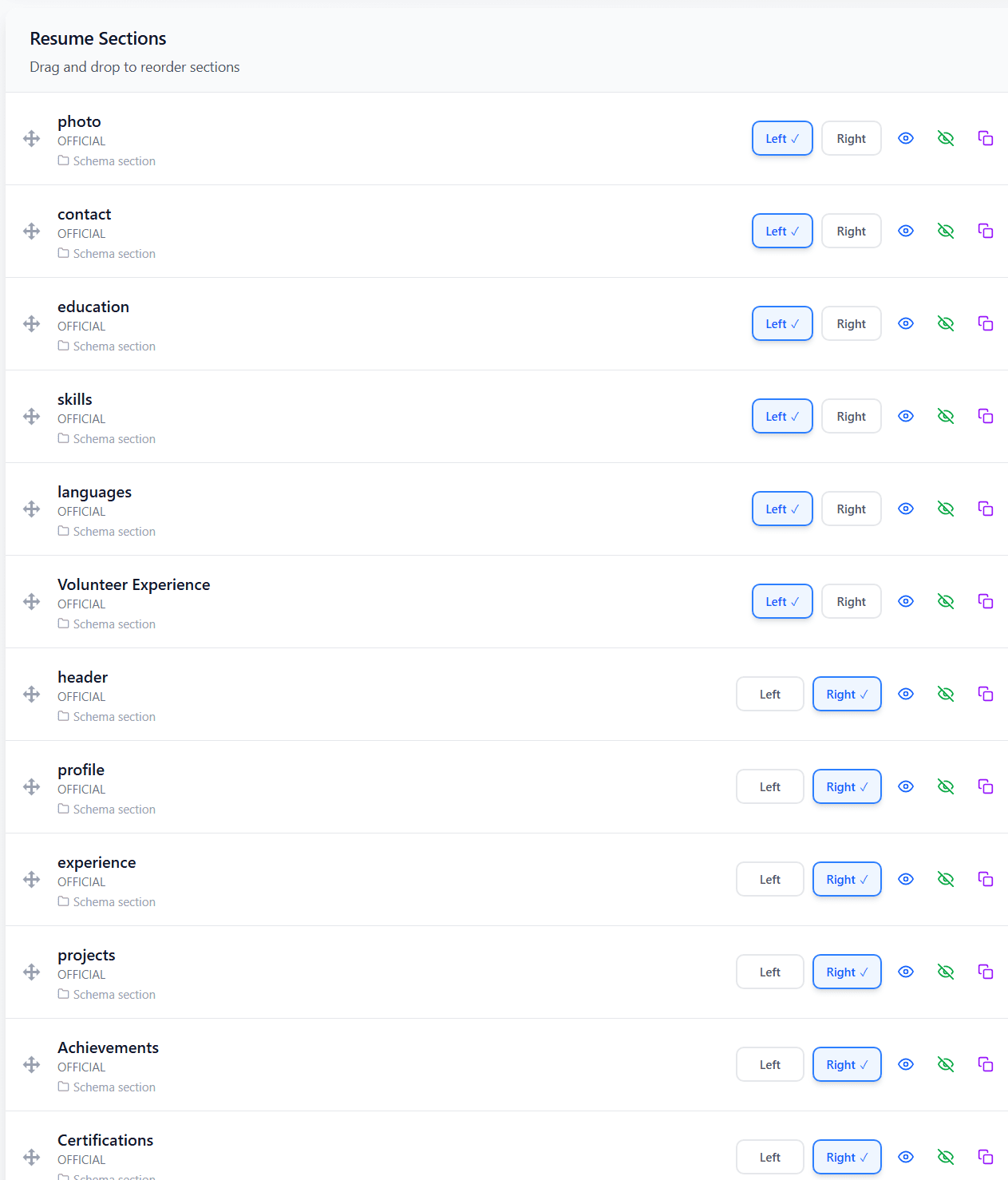
PortCV gives courses a separate structured home so ongoing learning can be added for one job family and hidden for another without confusing it with degrees or professional certifications.
Open the resume engineGuide 01
Include course name, provider or institution, completion date or status, and a concise topic or focus. Add hours only when duration meaningfully signals depth.
For academic relevant coursework, group course titles under Education when a separate section would be excessive.
Guide 02
Prioritize courses that address current job requirements and recent learning. Use normal industry terminology so the connection is understandable without reading the course catalog.
If several courses form one program, group them under the program name instead of creating a long fragmented list.
Guide 03
Do not turn every short tutorial into a credential or claim professional proficiency from course completion alone. Avoid outdated beginner courses once work experience proves a more advanced level.
Keep certificates of completion separate from regulated or industry certifications when the distinction matters.
Questions people ask
Yes when they are relevant and add evidence, especially for early-career candidates, career changers, or recent upskilling.
It often fits under Education for students. Use a separate Courses section when professional learning deserves independent visibility.
Not necessarily. A completion certificate records learning, while professional certifications may involve standardized requirements or assessment. Label them accurately.
PortCV Resume Engine
Turn the guidance into a real resume in PortCV. Edit structured sections, refine wording with AI, check job alignment, switch layouts without rewriting your content, and export a polished PDF from one resume engine.