
One page
A strong default when experience is limited or the relevant story fits comfortably without squeezing type.
Decide whether your resume should be one page, two pages, or longer based on career stage, relevance, profession, and the amount of evidence a recruiter actually needs.
Quick answer
Most early-career candidates can often communicate relevant evidence in one page, while experienced professionals may reasonably need two. There is no Google-like or ATS-wide one-page rule. Use the shortest length that preserves important, relevant evidence at a readable size; academic CVs and specialized careers follow different conventions.
What matters most
A strong default when experience is limited or the relevant story fits comfortably without squeezing type.
Appropriate when additional recent, relevant work adds meaningful evidence for an experienced candidate.
Academic, research, medical, federal, and other specialized applications may follow different document conventions.
Inside PortCV
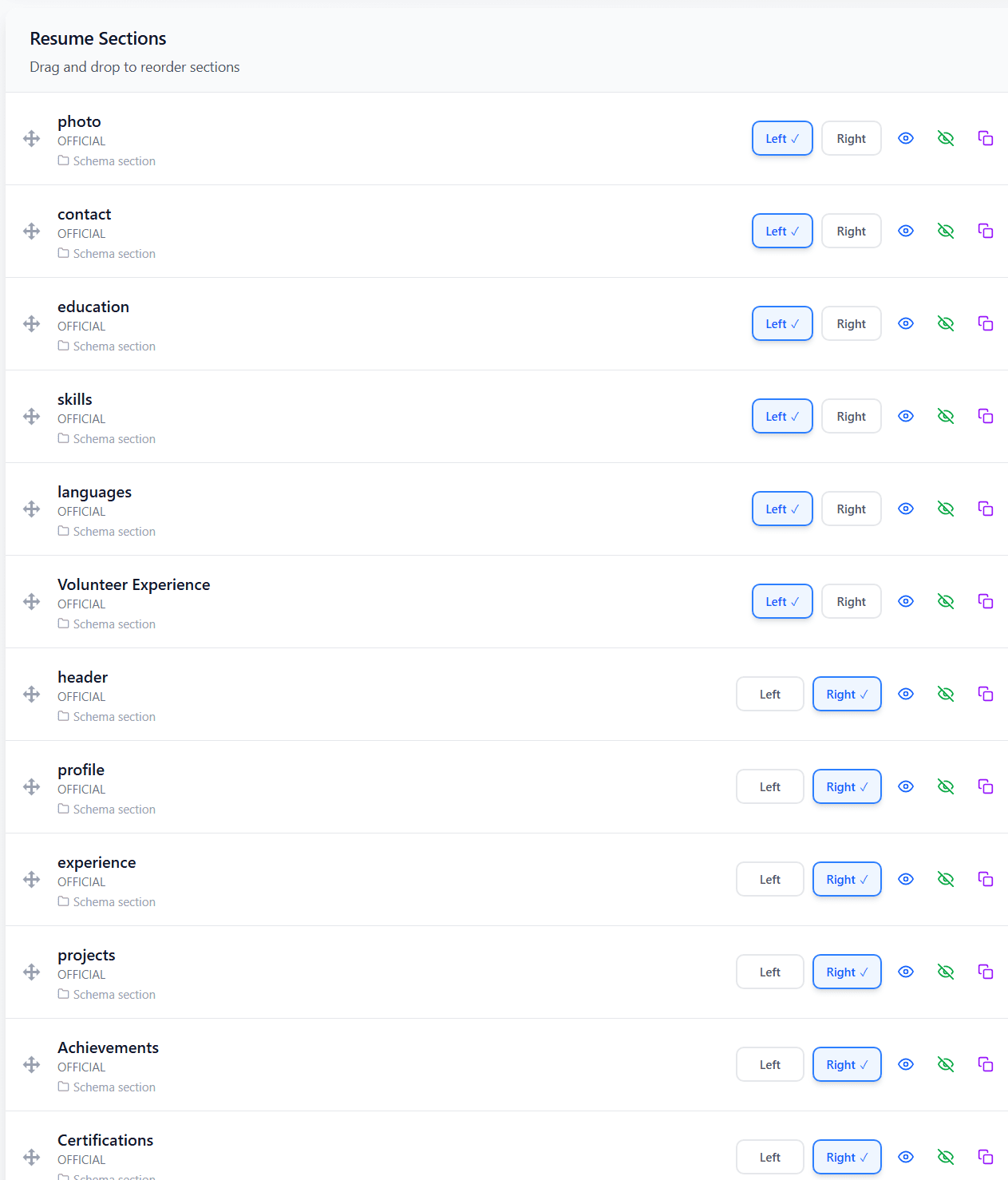
PortCV makes page length visible while you edit. Instead of guessing from a text document, you can reorder sections, remove repetition, adjust content, preview page breaks, and keep type and spacing readable before export.
Open the resume engineGuide 01
Students, recent graduates, and professionals with a short history often benefit from the discipline of one page. Mid-career and senior candidates may need a second page to show relevant progression, leadership scope, projects, or specialized expertise.
The second page must earn its place. If it contains mostly old duties, repeated skills, or unrelated early roles, editing is usually better than adding length.
Guide 02
Remove objective statements that say only that you want a job, outdated tools, generic soft-skill lists, repeated bullets, references available on request, and detailed early roles that no longer support the target. Shorten older positions before sacrificing recent evidence.
Do not force one page with tiny fonts, narrow margins, or dense paragraphs. A harder-to-read resume defeats the purpose of shortening it.
Guide 03
An academic CV can grow with publications, teaching, research, grants, conferences, and service. Some government or institutional applications also specify required detail. Follow the employer, institution, or country's instructions when they conflict with general resume advice.
Length is a consequence of useful evidence and application requirements, not a ranking goal by itself.
Questions people ask
Yes, when the second page contains recent, relevant evidence that helps evaluate you and the document remains easy to scan.
No universal ATS rule requires one page. Clear structure, extractable text, relevant content, and readable formatting matter more.
For most private-sector applications three pages is unusual, but specialized, senior, government, or CV-style applications may require more detail. Follow the application context.
PortCV Resume Engine
Turn the guidance into a real resume in PortCV. Edit structured sections, refine wording with AI, check job alignment, switch layouts without rewriting your content, and export a polished PDF from one resume engine.