
Prioritize
Recent, target-relevant evidence gets space before old duties or broad background information.
Create a focused one-page resume by prioritizing recent relevant evidence, shortening older history, choosing high-value sections, and keeping typography comfortably readable.
Quick answer
A one-page resume works best when your strongest relevant evidence fits without compressed typography or missing context. Keep current and target-relevant work, shorten older roles, combine repeated skills, and remove low-value sections. One page is a constraint for clarity, not a universal hiring requirement.
What matters most
Recent, target-relevant evidence gets space before old duties or broad background information.
Shorten older roles and merge repetition instead of squeezing every existing bullet onto the page.
Protect line height, margins, and body text size; a dense page can feel longer than two well-designed pages.
Inside PortCV
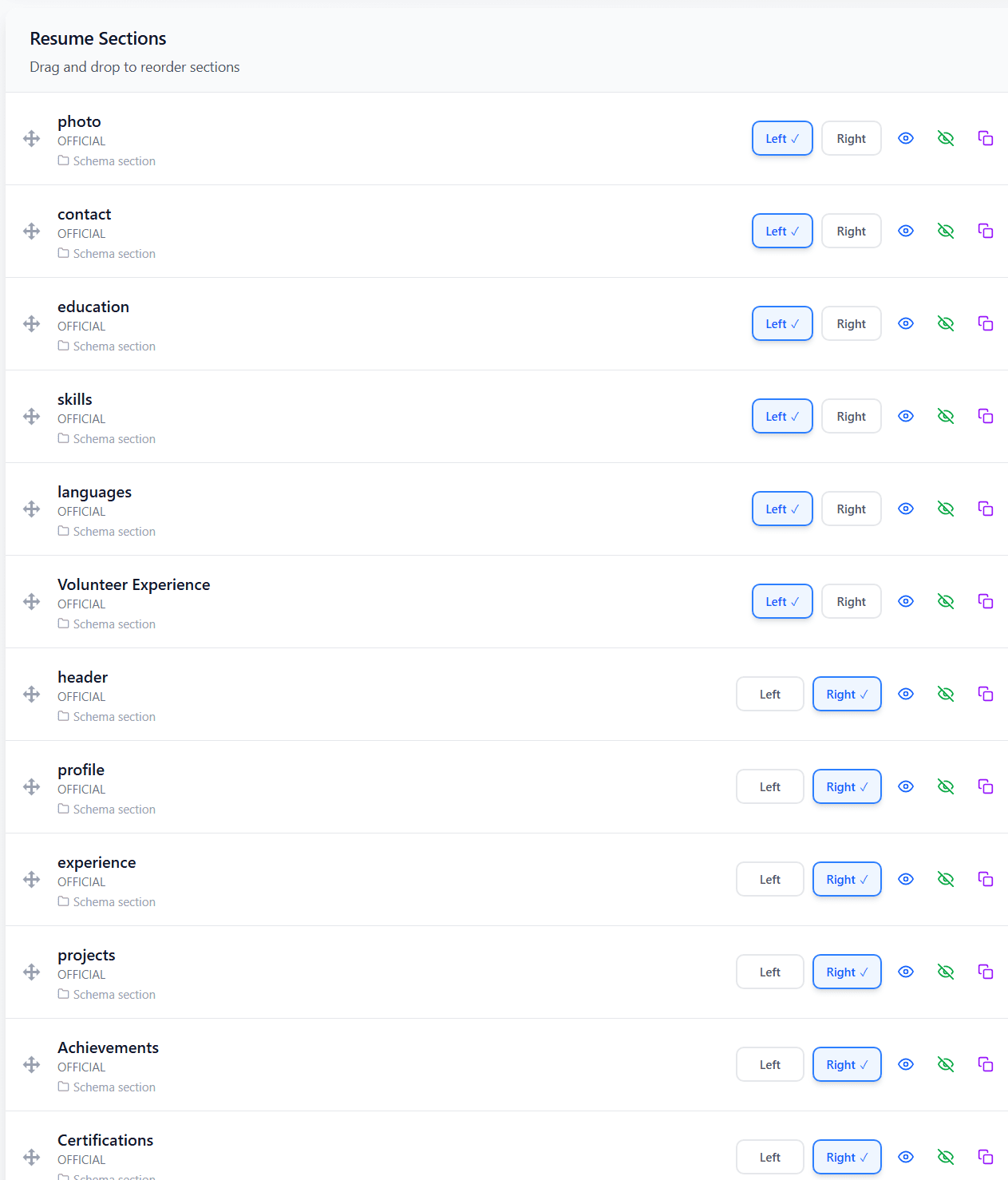
PortCV lets you see the one-page constraint while editing structured sections. Reorder high-value material, hide optional sections for one version, revise long bullets with Copilot, and preview the actual page before export.
Open the resume engineGuide 01
Keep the information a recruiter needs to evaluate fit: identity, useful positioning, relevant recent experience, important skills, education or credentials, and any project or section that provides stronger evidence than the content it would replace. A section is not valuable merely because a template includes it.
For recent graduates, projects, internships, education, and activities may carry more weight than limited work history. For experienced candidates, recent roles usually deserve the most space.
Guide 02
Remove repeated summary phrases, combine similar bullets, shorten old job detail, delete filler, and replace paragraphs with concise evidence. Review skill lists for outdated or obvious items that do not differentiate the target application.
Only after content is disciplined should you make modest spacing adjustments. Keep the PDF pleasant to read.
Guide 03
If important evidence has been removed or every section feels cramped, two pages may communicate your background better. The goal is not to satisfy an internet rule; it is to make a hiring decision easier.
Keep a longer master resume so the one-page version remains a targeted application asset rather than the only record of your experience.
Questions people ask
It often fits students, recent graduates, early-career professionals, and anyone whose relevant evidence comfortably fits one page.
Yes if the target story is narrow and important evidence still fits, but experienced candidates should not remove useful context just to meet an arbitrary page count.
There is no universal one-page preference across ATS platforms. Clear extraction, relevance, and readable structure matter more.
PortCV Resume Engine
Turn the guidance into a real resume in PortCV. Edit structured sections, refine wording with AI, check job alignment, switch layouts without rewriting your content, and export a polished PDF from one resume engine.