
Page one sells relevance
The first page should make the target role and strongest qualifications clear without requiring the reader to continue.
Build a two-page resume for experienced careers without burying your strongest evidence. Learn what belongs on page one, how page two should continue, and what to cut anyway.
Quick answer
A two-page resume is appropriate when page two contains relevant evidence that improves the hiring decision. Put identity, positioning, core skills, and the strongest recent experience on page one; continue logically on page two with additional experience, projects, education, certifications, or other evidence. Do not use two pages to avoid editing repetition.
What matters most
The first page should make the target role and strongest qualifications clear without requiring the reader to continue.
Use the second page for meaningful continuation, not low-value filler that survived because space was available.
Avoid awkward section splits, orphaned headings, and a page two that looks disconnected from the same resume.
Inside PortCV
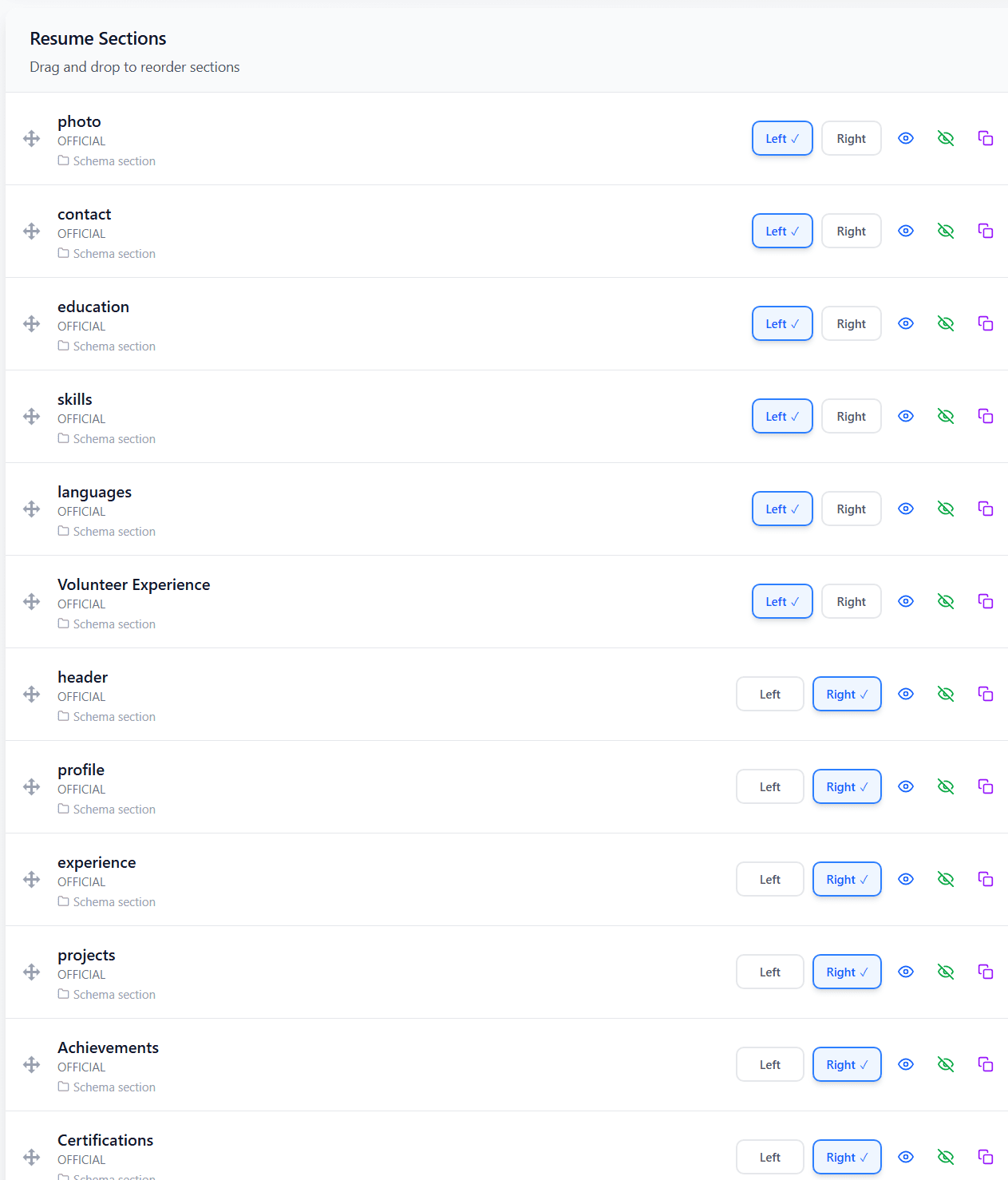
PortCV's live canvas makes two-page editing visible. You can move sections, inspect page boundaries, rebalance content, and preview a consistent exported document while keeping the underlying resume structured.
Open the resume engineGuide 01
A recruiter who scans only page one should understand who you are, what role you fit, and why your recent work matters. Give recent relevant roles enough detail to demonstrate scope and outcomes. Do not push all skills or qualifications to page two if they are central to the vacancy.
Use the page break as an information-priority test: content above it should represent the strongest case for this application.
Guide 02
Continue experience naturally, then include education, certifications, projects, publications, languages, or other evidence as relevance requires. Older roles can be shorter even when two pages are available.
If the second page is only a quarter full, consider whether the content can be edited back to one page. If it is packed with unrelated history, a second page has not solved the prioritization problem.
Guide 03
Use identical typography, margins, heading styles, date treatment, and spacing on both pages. Avoid repeating a full decorative header if it consumes space, but make identity clear enough that printed pages can be associated.
Preview at normal zoom and print view. Page breaks can shift when fonts, templates, or export settings change.
Questions people ask
Not when the second page adds relevant, current evidence for an experienced candidate. Unnecessary detail is the problem, not the number two itself.
Continue relevant experience and add supporting sections such as education, certifications, projects, or publications according to the target role.
A compact identity cue can help printed pages stay associated, but avoid wasting space with a large duplicate header.
PortCV Resume Engine
Turn the guidance into a real resume in PortCV. Edit structured sections, refine wording with AI, check job alignment, switch layouts without rewriting your content, and export a polished PDF from one resume engine.