
Chronological
Lead with recent work and show progression in a familiar timeline. A dependable default for many experienced applicants.
Compare chronological, functional, combination, academic, simple, modern, creative, plain-text, Google Docs, and targeted resume formats. Choose structure from your career evidence and hiring context—not from a universal template rule.
Quick answer
For many professionals with a clear work history, reverse chronological is the most familiar starting point. Combination format can surface a focused skills profile alongside real chronology. Functional resumes require care because hiding dates can make work history harder to evaluate. Academic CVs follow different conventions, while targeted, simple, modern, or creative variants change emphasis or presentation for specific contexts.
What matters most
Lead with recent work and show progression in a familiar timeline. A dependable default for many experienced applicants.
Use a concise skills or expertise layer while keeping chronological work history visible and easy to evaluate.
Academic, targeted, creative, simple, and plain-text versions solve different content, market, or submission problems.
Inside PortCV
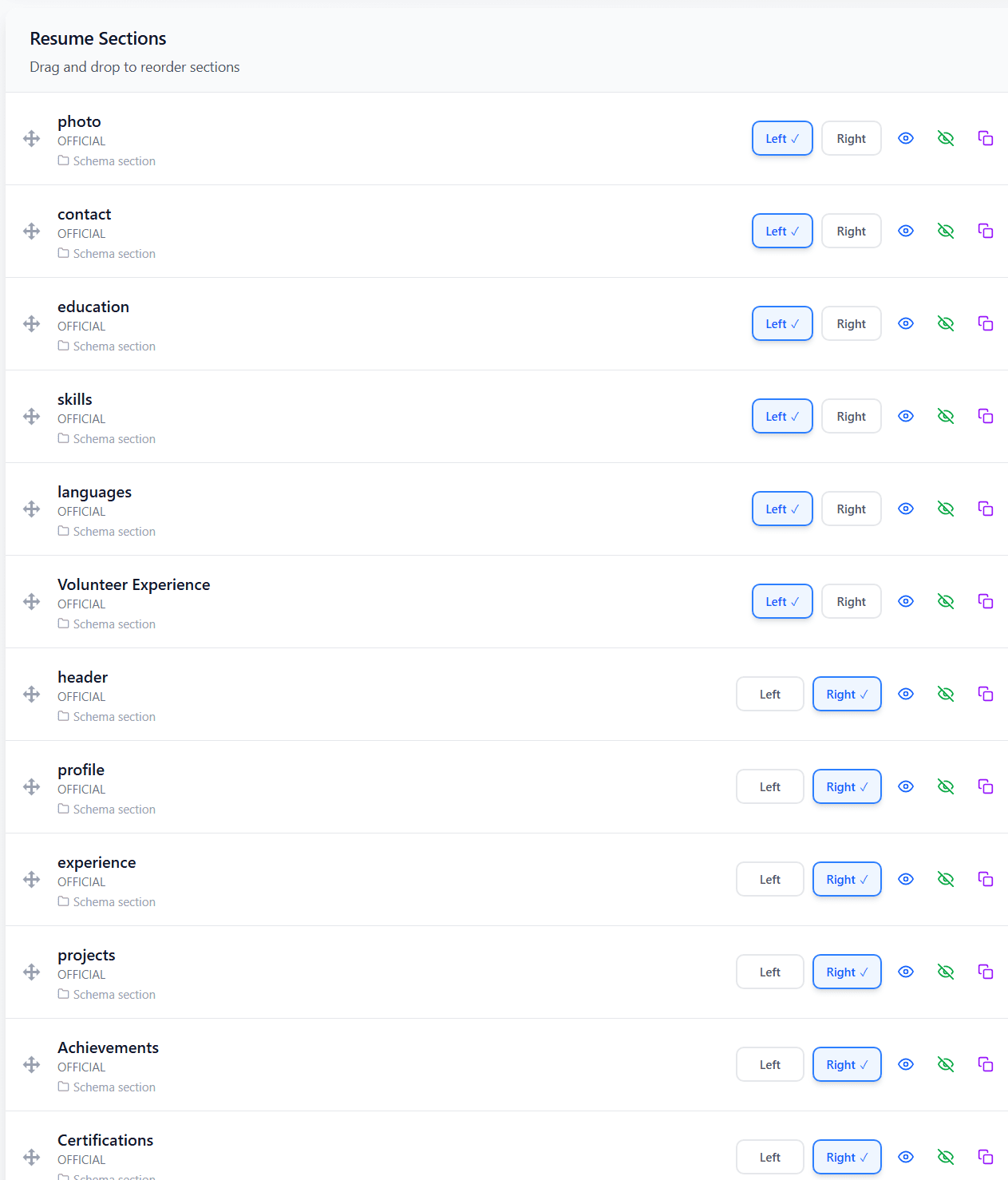
PortCV keeps resume content in structured semantic sections. That means the underlying experience, education, skills, projects, and credentials can be reordered or presented through compatible templates without becoming trapped inside one static layout.
Open the resume engineGuide 01
Format answers structural questions: does experience lead, are skills grouped before chronology, how much space does education receive, and which evidence comes first? Style answers visual questions: typography, spacing, color, borders, and layout treatment. A modern-looking resume can still use a chronological format.
Separating those decisions prevents a visually attractive template from forcing the wrong career story.
Guide 02
The main types of resume formats solve different problems. Use reverse chronology when recent roles show the strongest fit and progression. Use a combination approach when a clear expertise summary helps a career change or technical specialization but employers still need the timeline. Use academic CV structure when scholarly output is part of the evaluation.
There is no single most effective resume format for every applicant. A resume format for experienced professionals can give recent roles more depth, while a resume format for students or an entry-level applicant can move education, projects, internships, and relevant skills higher. For ATS-heavy applications, prefer clear labels and a predictable reading order.
Guide 03
A targeted resume can keep the same chronological history while changing the summary, skills priority, bullet order, projects, and optional sections for a specific job. The facts do not change; their relevance changes with the vacancy.
This is often more useful than switching from chronological to functional format solely to mirror keywords.
Guide 04
A format that looks clear with sample content can break when your real experience is longer, project names wrap, or certifications add a second page. Preview the complete resume, check page boundaries, and inspect the exported PDF at normal zoom.
If a format forces tiny type, awkward gaps, or important evidence below low-value content, choose another structure rather than fighting the template.
Questions people ask
Reverse chronological is a strong default for many applicants, but the best format depends on career history, target role, evidence, and application context.
Choose the structure that makes the employer's most important evidence easy to verify. Reverse chronological is a dependable default for a clear work history; combination can help when expertise needs more emphasis; academic and creative contexts may need different structures.
There is no mandatory universal standard. Recruiters commonly expect recognizable contact, experience, education, and skills information, but the order and depth should follow your career stage and the role.
A clear chronological or straightforward combination structure with standard headings and real text is a conservative choice. ATS behavior varies, so no format guarantees a result.
Format defines how information is organized; a template implements visual presentation such as typography, spacing, and layout.
PortCV keeps resume content structured so you can reorder sections and switch compatible presentation options without retyping the underlying career data.
PortCV Resume Engine
Turn the guidance into a real resume in PortCV. Edit structured sections, refine wording with AI, check job alignment, switch layouts without rewriting your content, and export a polished PDF from one resume engine.