
Modern Resume FormatExamples, Structure & Templates
A modern resume format combines a clean professional structure with contemporary typography, spacing, visual hierarchy, and subtle design elements. It helps candidates present their experience and skills in a polished format while maintaining clarity and readability.
What Is a Modern Resume?
A modern resume is a contemporary resume format that combines traditional professional structure with updated design principles. It typically uses clean typography, balanced spacing, strong visual hierarchy, and subtle design elements to create a polished appearance. Unlike highly traditional resumes, modern resumes can use contemporary fonts, accent colors, refined layouts, and visual organization while keeping the content easy to scan. Modern resumes are suitable for many industries and can be especially effective when you want your application to feel current, professional, and visually polished without becoming overly creative.
When to Use a Modern Resume
Contemporary Industries
A strong choice for technology, marketing, consulting, startups, media, and other industries where modern professional presentation is valued.
Experienced Professionals
Useful for professionals who want to present established experience and achievements in a polished, contemporary format.
Competitive Applications
Helpful when you want your resume to look more distinctive than a basic traditional document while still maintaining a professional structure.
When to Avoid a Modern Resume
Highly Traditional Industries
A more conservative chronological resume may be appropriate for employers that strongly favor conventional document formats and minimal visual styling.
Strict ATS Applications
Avoid overly complex modern layouts with multiple columns, graphics, icons, or unusual formatting when an application heavily depends on automated resume parsing.
Highly Creative Roles
A modern resume may not provide enough visual freedom for designers and other creative professionals who need their resume itself to demonstrate advanced design skills.
Very Simple Applications
A traditional resume may be more efficient when the employer primarily wants a straightforward overview of your qualifications and work history.
How to Create a Modern Resume
Follow these steps to create a contemporary resume that looks polished while keeping your qualifications easy to find.
Choose a Clean Visual System
Select a professional font pairing, restrained color palette, consistent spacing, and clear hierarchy that gives your resume a contemporary appearance.
Create a Strong Professional Header
Present your name, professional title, contact information, and relevant links in a clear header that establishes your professional identity immediately.
Prioritize Your Most Relevant Content
Place your strongest qualifications, skills, achievements, and experience where recruiters can identify them quickly.
Use Concise Achievement-Focused Content
Replace long descriptions with focused bullet points that explain your responsibilities, accomplishments, and measurable results.
Balance Design with ATS Compatibility
Use modern design elements carefully while maintaining readable text, standard headings, logical structure, and relevant keywords.
Modern Resume Structure
A modern resume keeps the familiar professional sections recruiters expect while using contemporary spacing, typography, and visual hierarchy.
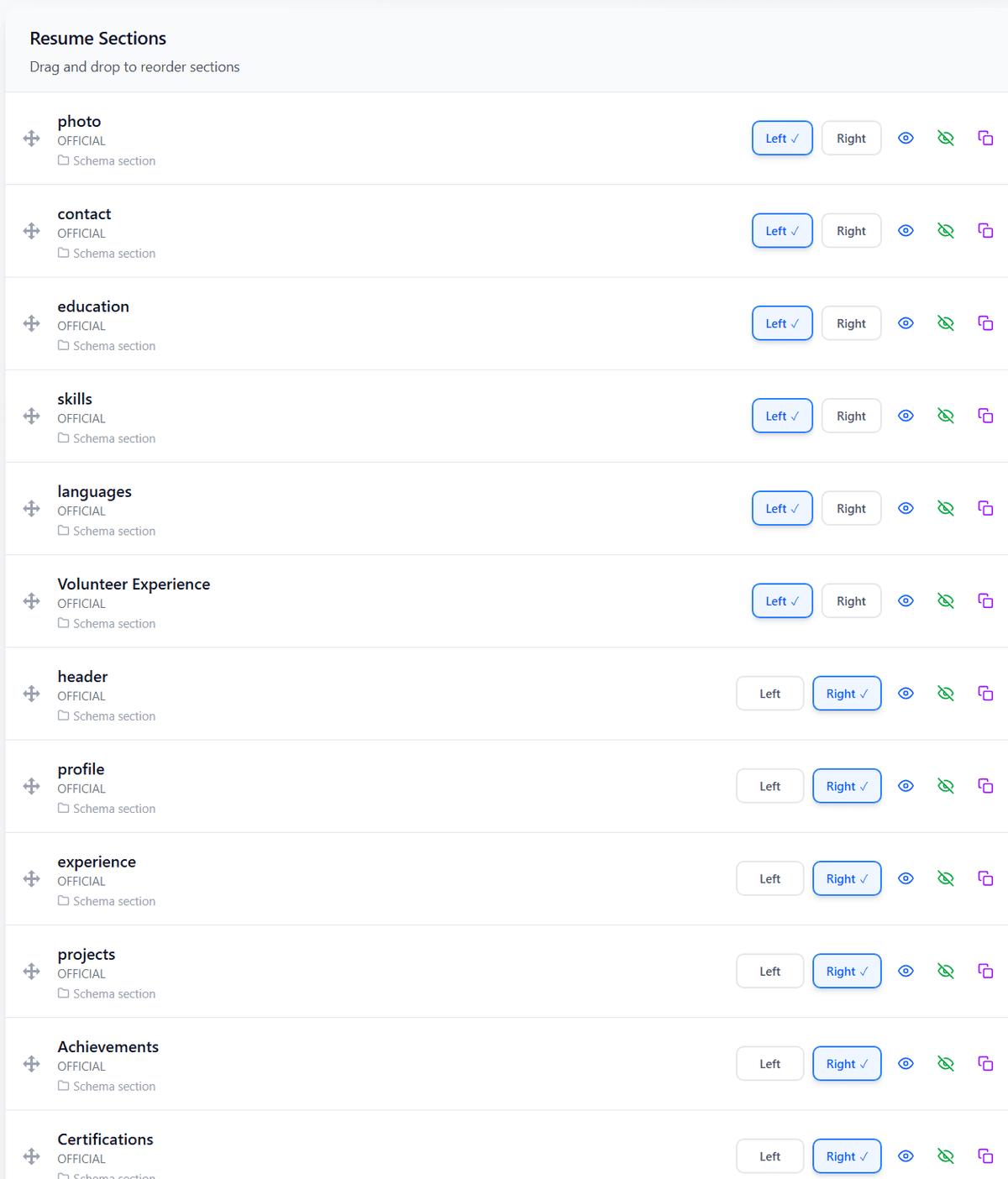
Section Order
Tips for Creating a Modern Resume
Keep Design Refined
Use subtle colors, clean typography, balanced spacing, and consistent alignment instead of excessive decoration or complicated graphics.
Lead with Achievements
Use measurable accomplishments and relevant results to make your experience more compelling and demonstrate the value you have delivered.
Protect ATS Readability
Keep important information in readable text and avoid design elements that could interfere with automated parsing or make the document difficult to scan.
Modern vs Other Resume Formats
| Feature | Feature | Chronological | Creative | Combination | Modern |
|---|---|---|---|---|---|
| Best For | Experienced Professionals | Creative and Design-Focused Roles | Professionals Highlighting Skills + Experience | Professionals Seeking a Contemporary Look | |
| Main Focus | Work History | Visual Presentation | Skills + Work Experience | Professional Content + Modern Design | |
| Visual Design | Minimal | High | Moderate | Moderate | |
| ATS Compatibility | Generally ATS-Friendly | Depends on Design | Generally ATS-Friendly | Generally ATS-Friendly When Kept Simple |
Frequently Asked Questions
1What is a modern resume format?
A modern resume format combines a professional resume structure with contemporary typography, spacing, visual hierarchy, and subtle design elements to create a polished and current appearance.
2Who should use a modern resume?
Modern resumes are suitable for professionals across many industries, particularly candidates applying to technology, marketing, consulting, startups, media, and other contemporary workplaces.
3Are modern resumes ATS-friendly?
Yes. A modern resume can be ATS-friendly when it uses readable text, standard section headings, a logical structure, relevant keywords, and a simple enough layout for automated systems to parse.
4What makes a resume look modern?
Clean typography, balanced whitespace, strong visual hierarchy, subtle accent colors, consistent alignment, concise content, and a polished layout can give a resume a modern appearance.
5What is the difference between a modern and creative resume?
A modern resume focuses on contemporary professional design while maintaining a conventional structure. A creative resume generally uses more distinctive visual elements and may prioritize personal expression and visual presentation.
6Is a modern resume better than a traditional resume?
Neither format is universally better. A modern resume can provide a polished contemporary presentation, while a traditional resume may be safer for conservative industries and applications that strongly prioritize conventional formatting.
Still have questions? Contact our support team
All Resume Formats
Explore all resume formats supported by PortCV. Each format is designed for specific career situations and goals.
Chronological Resume Format
The most common format that highlights your work experience in reverse chronological order.
Functional Resume Format
Focuses on skills and achievements rather than employment history.
Combination Resume Format
Blends skills and professional experience for a balanced approach.
Academic Resume Format
Designed for students, researchers, and academics with emphasis on education and research.
Creative Resume Format
Allows for unique layouts and typography, perfect for designers and artists.
Google Docs Resume Format
Optimized for creating and editing resumes in Google Docs.
Build Your Resume for Free
Ready to Create Your Modern Resume?
Create a polished, professional modern resume with PortCV. Choose a contemporary template, showcase your achievements, and present your experience with confidence.